About Deep Groove Ball Bearings
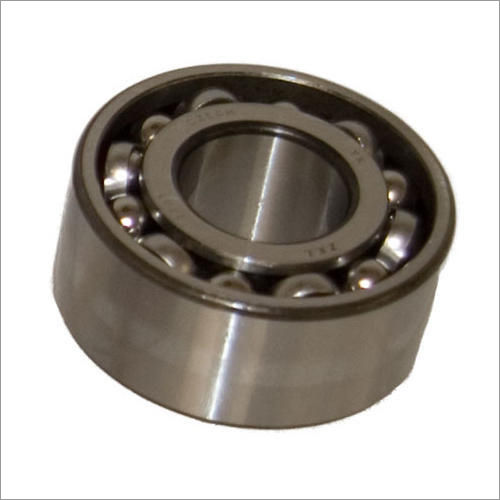
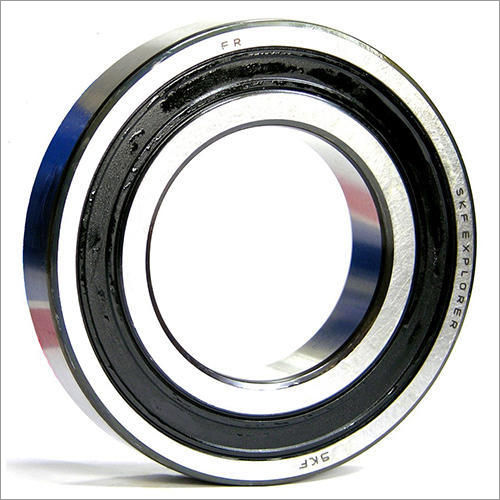
Deep Groove Ball Bearings are among the most widely used type of bearing in the world. They can operate at high speeds and can carry radial and (limited) axial loads. Deep Groove Ball Bearings are commonly used in electric motors, fans, compressors, and conveyors. We offer these bearings at highly affordable prices.
Product Details
|
Thickness
|
15 mm
|
|
Type of Bearing
|
Ball Bearing
|
|
Number Of Rows
|
Double Row
|
|
Bore Size
|
60 mm
|
|
Outside Diameter
|
180 mm
|
|
Brand
|
BBH
|
|
Material
|
Stainless Steel
|
Engineered for Superior PerformanceThese Deep Groove Ball Bearings are designed to excel under demanding operational conditions. With high-precision ratings (P0, P6, P5, P4) and a hardened surface (HRC 60-65), they accommodate high dynamic and static loads, ensuring outstanding durability and reliability. Their structure supports smooth rotation at impressive speeds, making them suitable for industries requiring consistent and quiet operation.
Versatile Applications Across IndustriesSuitable for electric motors, automotive assemblies, machinery, and agricultural equipment, these bearings offer seamless integration and performance versatility. With customizable sizes, sealing options, and compatible lubrication types, they can be tailored to specific project needs. This adaptability ensures optimal operation and longevity across various sectors.
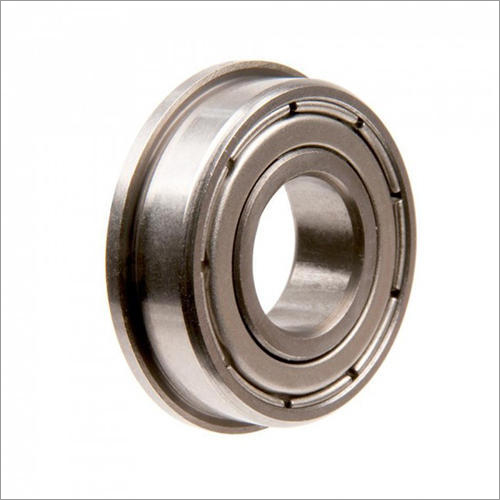
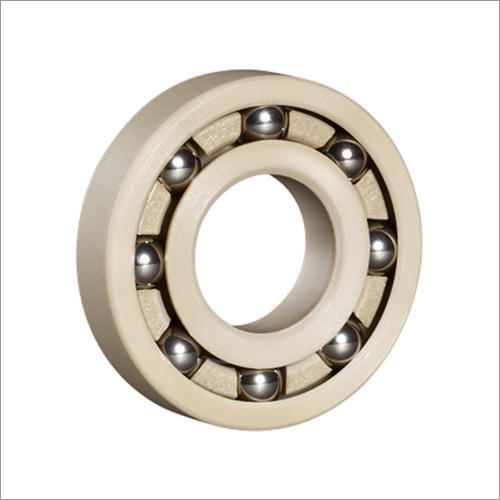
Custom Options & Value Added ServicesCustomers benefit from a broad selection of materials, seal designs (Open, Z, ZZ, RS, 2RS), and cage constructions (steel, brass, nylon) to meet unique requirements. As a manufacturer, distributor, exporter, and supplier based in India, we provide both standard and custom solutions, supporting diverse applications while emphasizing quality and client satisfaction.
FAQs of Deep Groove Ball Bearings:
Q: How do Deep Groove Ball Bearings enhance the performance of electric motors and machinery?
A: Deep Groove Ball Bearings provide low friction, high precision, and long life, which minimize heat buildup and energy loss. This results in quieter and more efficient operation, helping electric motors and industrial machinery run smoothly at high speeds and under varying loads.
Q: What materials are available for these bearings, and how do I select the best one for my application?
A: You can choose from chrome steel, stainless steel, or carbon steel bearings. Chrome steel provides excellent hardness and durability for general applications, stainless steel offers better corrosion resistance, and carbon steel is ideal for less demanding environments. Selection depends on operational environment and load requirements.
Q: When is it advisable to use a single row versus a double row deep groove ball bearing?
A: Single row bearings, like those with a 10 mm bore and 30 mm outer diameter, are ideal for light to moderate loads and higher speeds. Double row bearings offer increased load capacity and stability for more demanding or heavy-duty applications where additional support is required.
Q: Where are these Deep Groove Ball Bearings manufactured and distributed?
A: These bearings are manufactured, distributed, exported, and supplied from India, supporting a wide array of domestic and international industrial requirements with reliable logistics and customizable service.
Q: What benefits do various sealing options (Open, Z, ZZ, RS, 2RS) offer?
A: Sealing choices determine the protection against contaminants and the retainer of lubrication. Open designs allow easy relubrication, while Z/ZZ shields offer basic dust protection. RS and 2RS contact seals provide maximum sealing for harsh or dirty environments, prolonging bearing life and performance.
Q: How is the quality and precision of these bearings ensured?
A: All bearings are manufactured to precise tolerance classes (P0, P6, P5, P4) and verified for hardness (HRC 60-65). Quality checks across each production stage ensure they meet strict standards for reliability, durability, and consistent performance.
Q: What is the proper process for installing these bearings into equipment?
A: Proper installation involves cleaning the mounting area, using correct tools to avoid damage, and applying lubrication (oil or grease) as required. Ensure alignment is accurate to prevent undue load and premature wear. Consult manufacturer guidelines for specific installation procedures for optimal results.





 Send Inquiry

 Send Inquiry
 Send Inquiry
 Send SMS
 Call Me Free
 English
 Spanish
 French
 German
 Italian
 Chinese (Simplified)
 Japanese
 Korean
 Arabic
 Portuguese