About Thrust Bearing
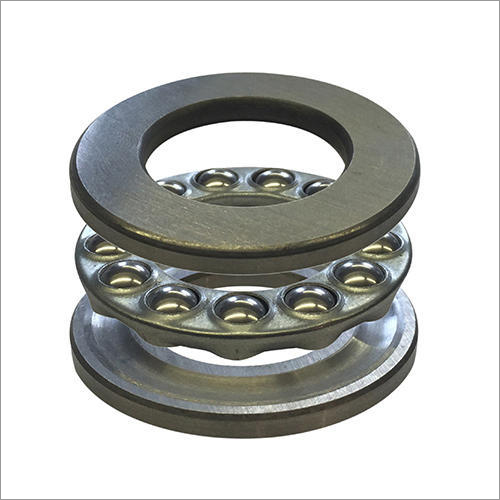
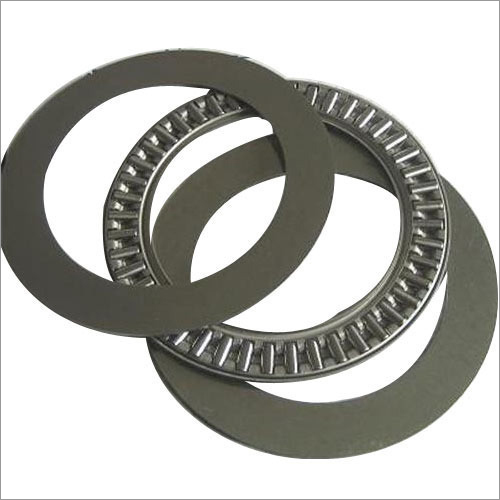
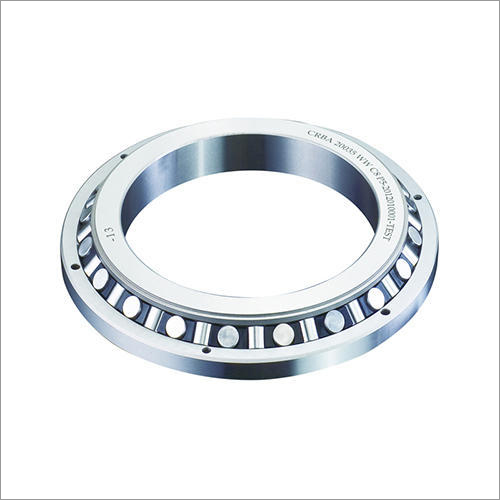
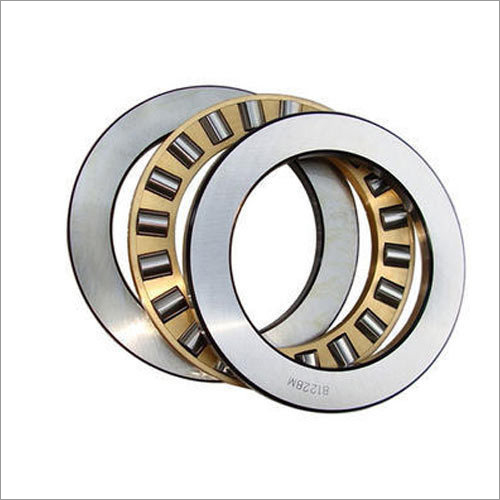
Backed by a team of experts, we have been a celebrated manufacturer of Thrust Bearing in the market. It is used for carrying loads in axial direction. It is also referred to as axial bearings. Like radial bearings, Thrust Bearing contains a set of rolling elements, two race rings, and, frequently a cage for retaining the rolling elements.
Product Details
Thickness | 30 mm |
Usage/Application | Automotive Industry |
Bore Size | 80 mm |
Shape | Round |
Outside Diameter | 200 mm |
Brand | BBH |
Material | Stainless Steel |
Engineered for Demanding EnvironmentsWith its capacity to withstand high axial forces, this thrust bearing is ideal for intense applications in the automotive, machinery, and industrial sectors. Chrome steel construction and steel cage ensure consistent performance in challenging conditions, while grease lubrication enhances its service life.
Precision Certified for Reliable PerformanceAdhering to ISO 9001:2015 standards and boasting a P6 precision class, this bearing guarantees superior accuracy and dependable operation. It is perfect for environments requiring reliability and sustained speed, supporting up to 5000 RPM in a variety of industrial applications.
FAQs of Thrust Bearing:
Q: How is this thrust ball bearing typically used in industrial and automotive settings?
A: This thrust ball bearing is primarily designed to handle high axial loads in a single direction, making it suitable for automotive transmissions, industrial gearboxes, and heavy machinery where robust axial force support is required.
Q: What are the benefits of choosing a bearing with a P6 precision rating and ISO 9001:2015 certification?
A: A P6 precision rating ensures tight tolerances and smooth operation, reducing vibration and wear. ISO 9001:2015 certification guarantees that the product meets international quality management and manufacturing standards, offering enhanced reliability and consistency.
Q: When should I consider using a bearing with a 22.5 kN dynamic load rating and 36.5 kN static load rating?
A: You should select this bearing when your application demands reliable support for strong axial forces without significant radial loading, especially in systems subject to high dynamic and static stresses, such as in automotive differentials or machinery spindles.
Q: Where are the main applications for this thrust bearing?
A: This bearing is widely used in automotive drives, industrial machinery, and equipment where high axial load capacity, limited radial support, and operating temperatures between -20C and 120C are essential.
Q: What is the process for installing this single-row, open-seal thrust ball bearing?
A: Ensure the mounting surfaces are clean and free of debris. Carefully align the bearing with the shaft (30 mm bore) and housing (52 mm outer diameter), apply recommended grease, and avoid excessive force during assembly to maintain bearing integrity.
Q: How does the pressed steel cage and open design benefit the bearings operation?
A: The pressed steel cage adds durability and supports high-speed rotation up to 5000 RPM, while the open design allows easy inspection and maintenance, making it ideal for grease-lubricated applications where consistent monitoring is possible.
Q: What advantages does chrome steel material offer for this bearing?
A: Chrome steel delivers excellent hardness, wear resistance, and fatigue life, ensuring long-term durability and reduced maintenance in demanding axial load applications.





 Send Inquiry

 Send Inquiry
 Send Inquiry
 Send SMS
 English
 Spanish
 French
 German
 Italian
 Chinese (Simplified)
 Japanese
 Korean
 Arabic
 Portuguese